
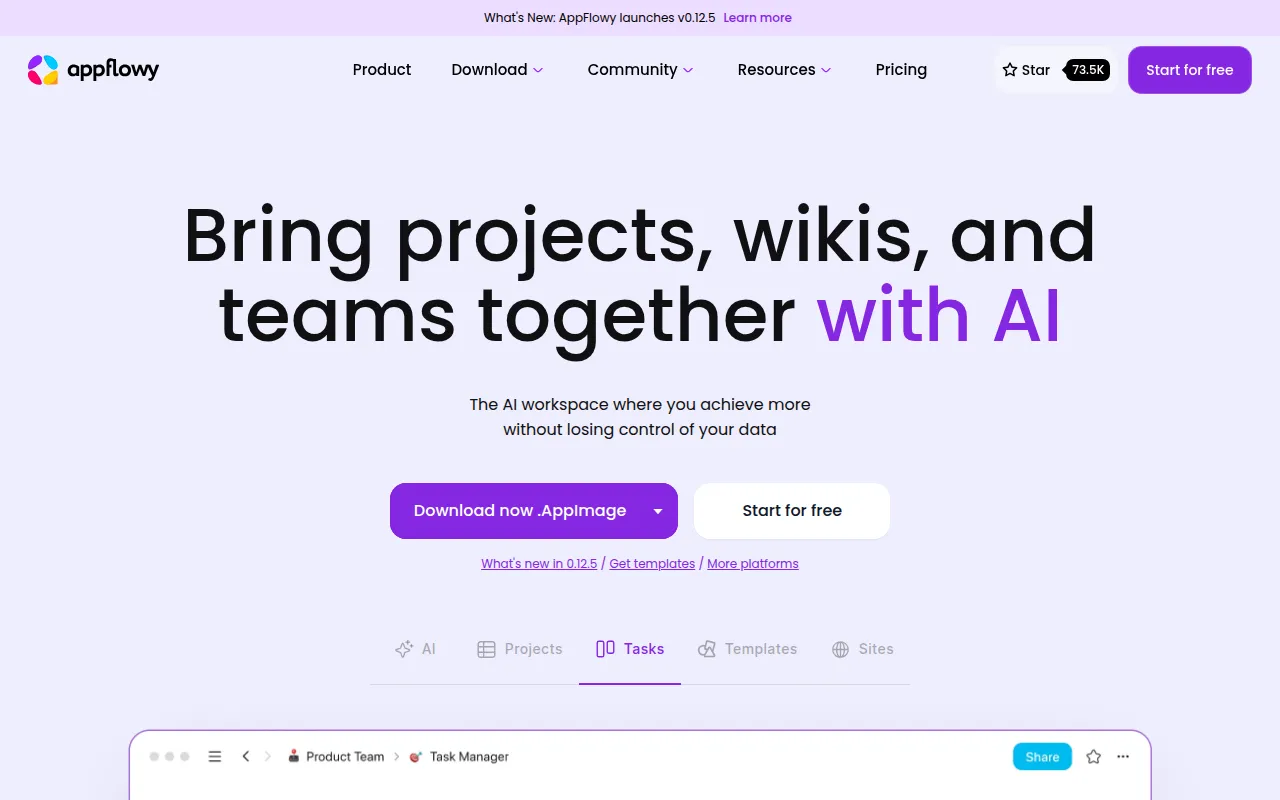
An open-source, AI-enabled workspace app for docs, kanban boards, and databases, positioned as a self-hostable alternative to Notion.
Read moreThe best open source alternative to Notion is AppFlowy. If that doesn't suit you, we've compiled a ranked list of open source Notion alternatives to help you find a replacement.

An open-source, AI-enabled workspace app for docs, kanban boards, and databases, positioned as a self-hostable alternative to Notion.
Read more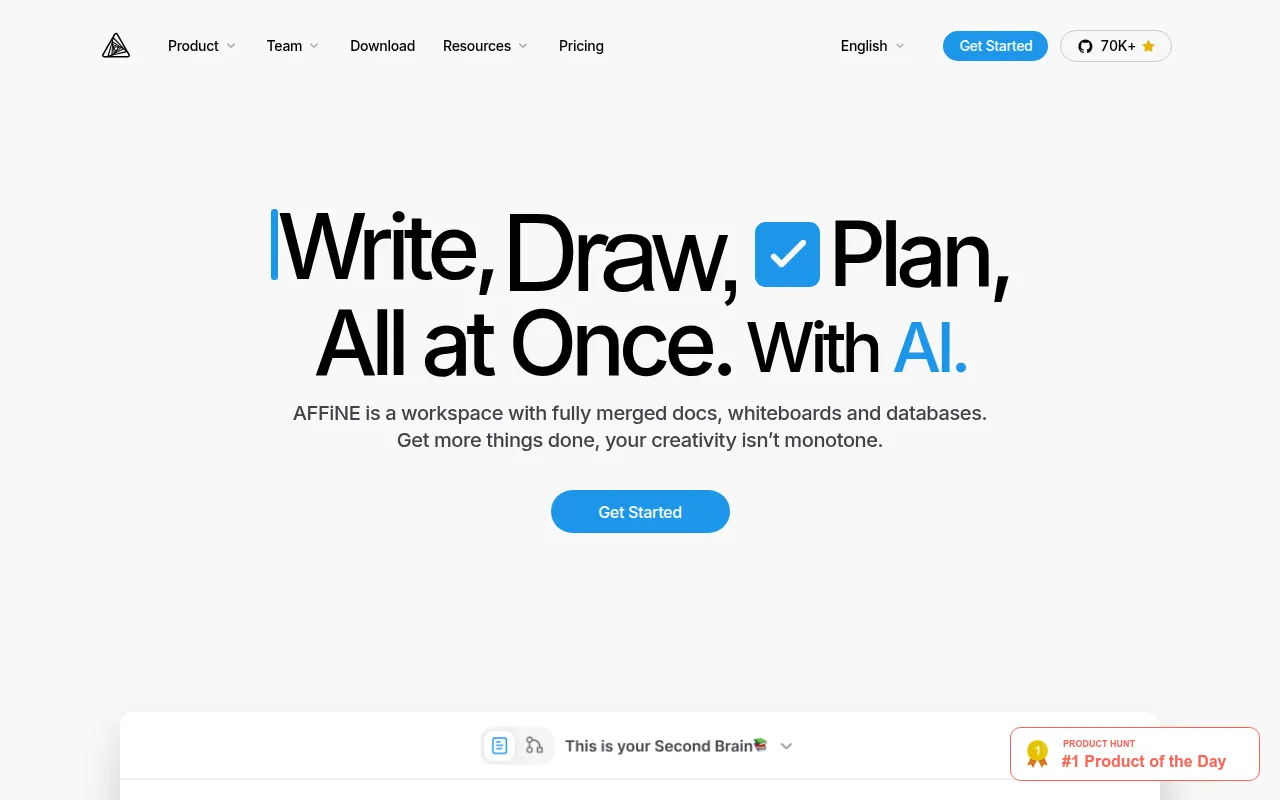
A privacy-focused, local-first, open-source workspace merging documents, an edgeless canvas, and databases, positioned as an alternative to Notion and Miro.
Read more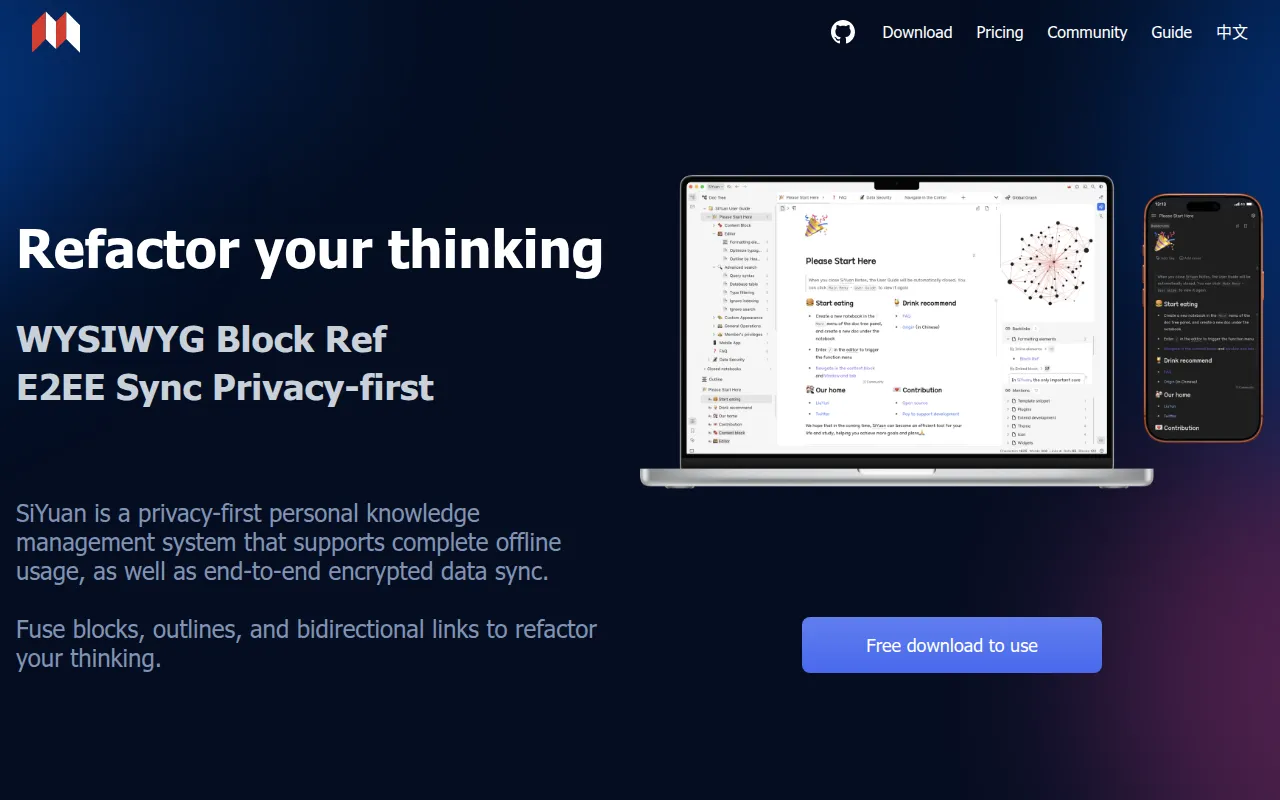
SiYuan is a self-hosted, block-based note-taking app with two-way references, a Markdown WYSIWYG editor, and flashcard review built in.
Read more
Logseq is an open-source outliner for notes and tasks, storing data as local Markdown or Org-mode files with backlinks and a plugin API.
Read more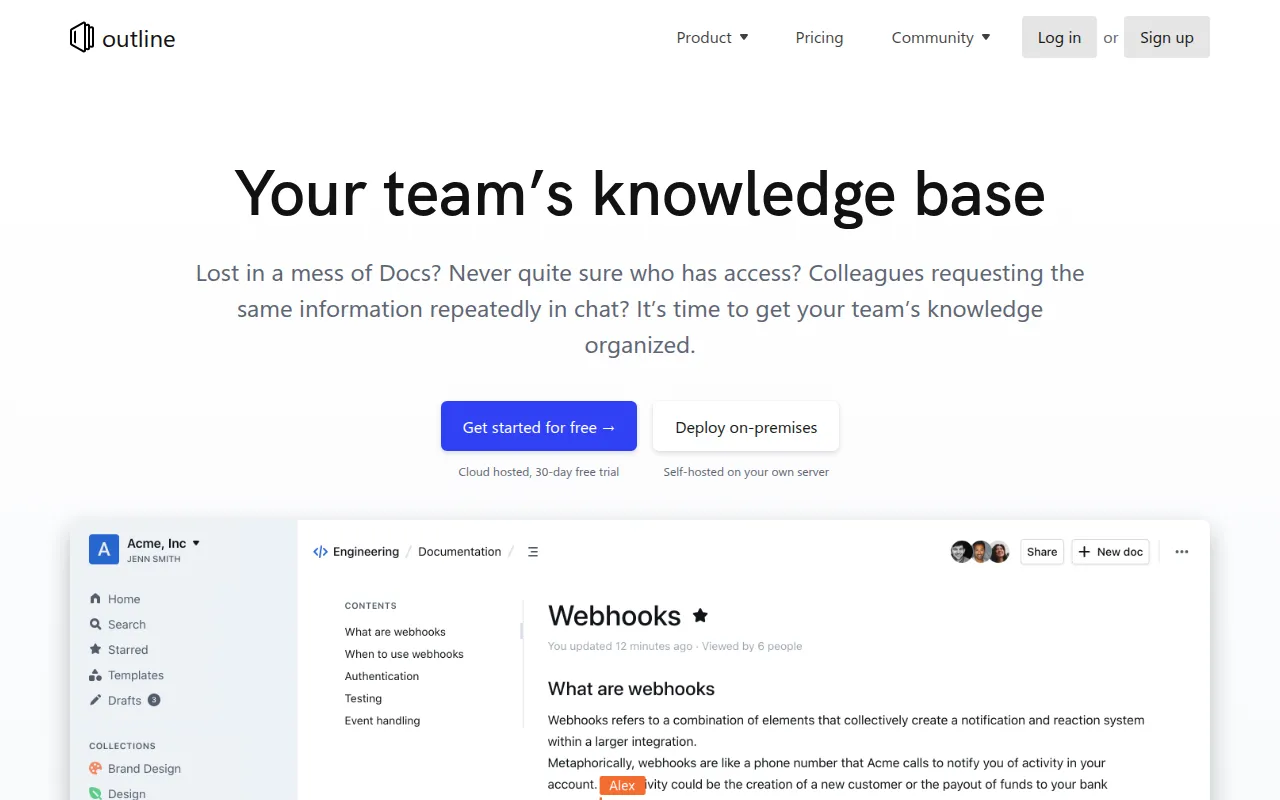
Self-hostable team wiki and knowledge base with a collaborative editor, built on React and Node.js, also available as a hosted service.
Read more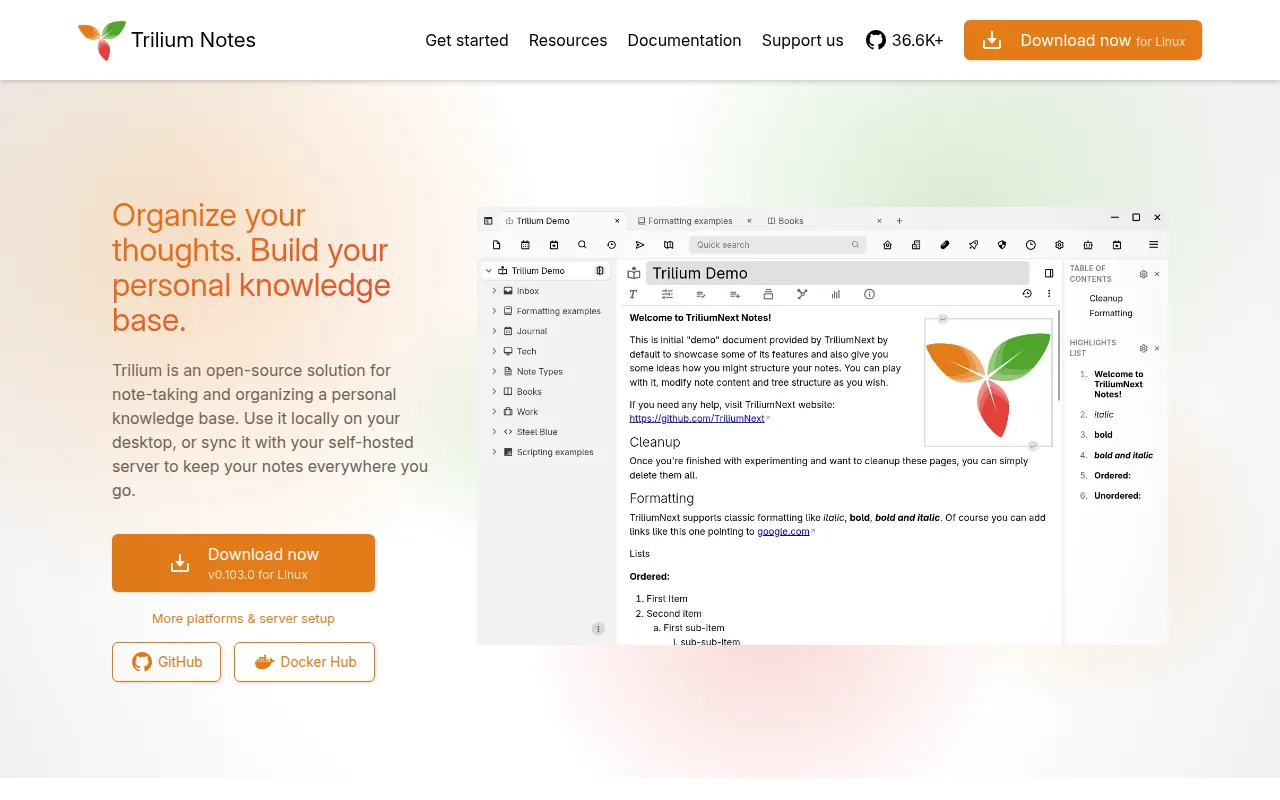
Free, open-source note-taking application with a hierarchical tree structure, built for large personal knowledge bases, with sync and encryption.
Read more
Focalboard is an open source, self-hosted project management tool with kanban boards, multiple views, and a REST API.
Read more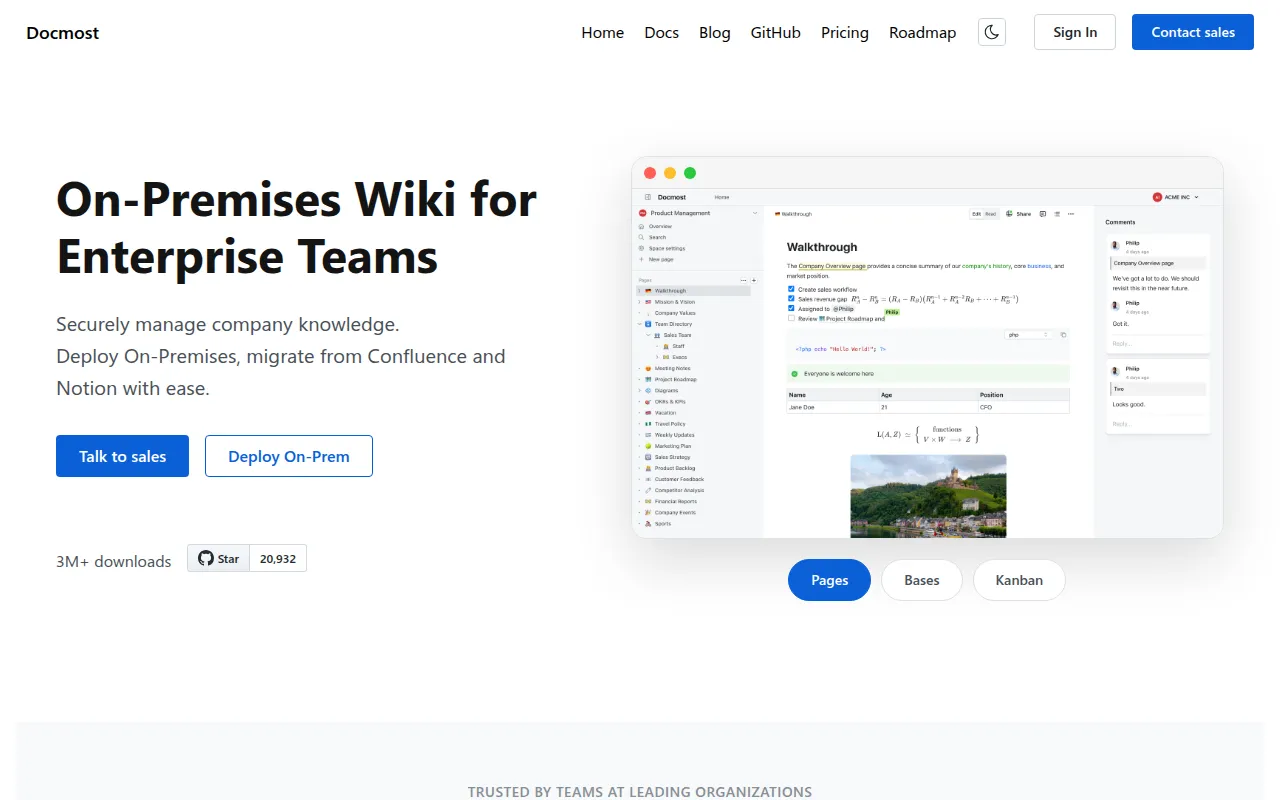
Docmost is an open source collaborative wiki and documentation platform with real-time editing, diagrams, spaces, and permissions.
Read more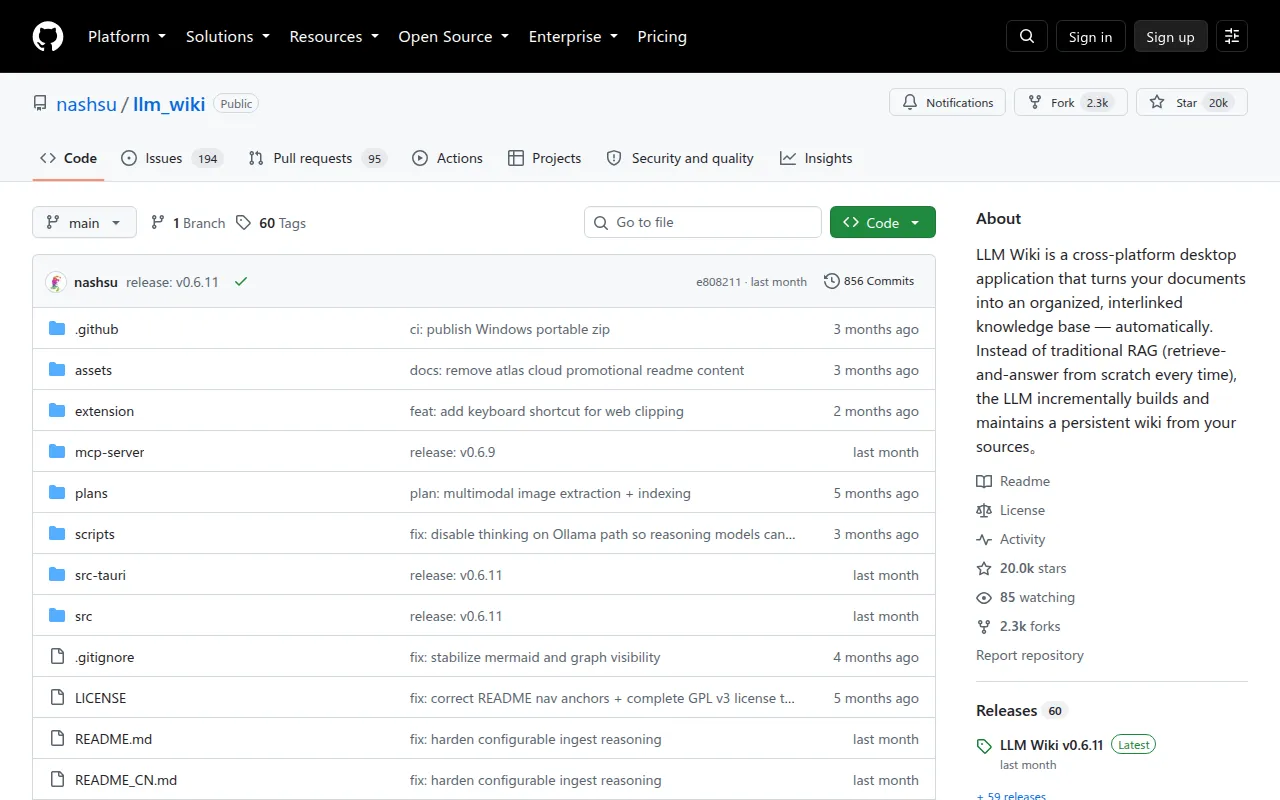
LLM Wiki is a cross-platform desktop app that ingests documents and builds a persistent, interlinked knowledge base with an LLM, graph analysis, and search.
Read more
Anytype is a local-first, end-to-end encrypted personal knowledge base for building pages, wikis, and databases with peer-to-peer sync.
Read moreNotion stores pages and databases in a proprietary block format on its own servers, billed per seat, and every workspace lives entirely inside Notion's infrastructure. Open-source alternatives split that job across more focused tools that store content locally or on infrastructure you run:
Check the editing model (rich text, database-style views, or wiki-style page linking), real-time collaboration and comment support for teams working on the same document, offline or local-first capability if connectivity is a concern, permission and sharing granularity down to the page or workspace level, whether there is a reasonable import path from an existing Notion workspace, and the self-hosting footprint, meaning a single container versus several dependent services to keep running.


 Your brand here — Reach our audience of professional directory owners and boost your sales.