
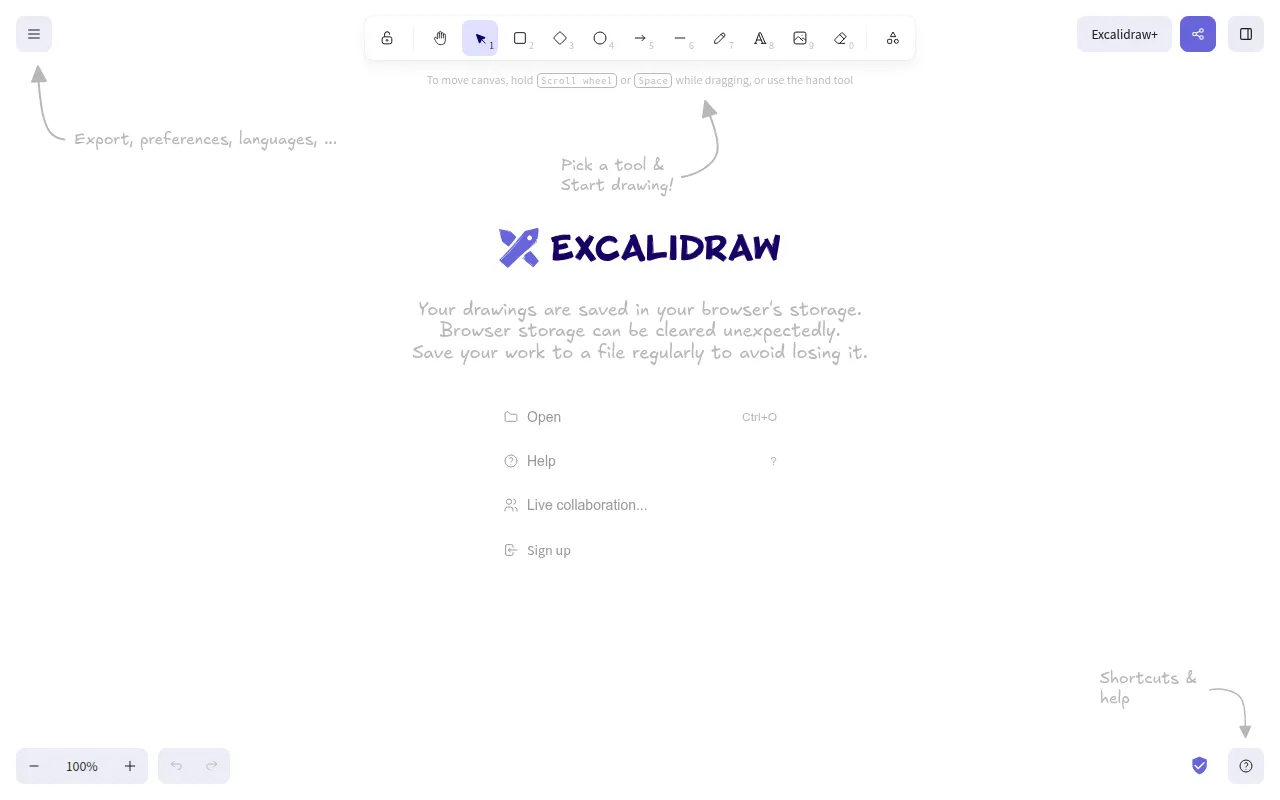
An open source, collaborative whiteboard with a hand-drawn style, end-to-end encryption, and an embeddable npm package for building it into other apps.
Read moreThe best open source alternative to Miro is Excalidraw. If that doesn't suit you, we've compiled a ranked list of open source Miro alternatives to help you find a replacement.

An open source, collaborative whiteboard with a hand-drawn style, end-to-end encryption, and an embeddable npm package for building it into other apps.
Read more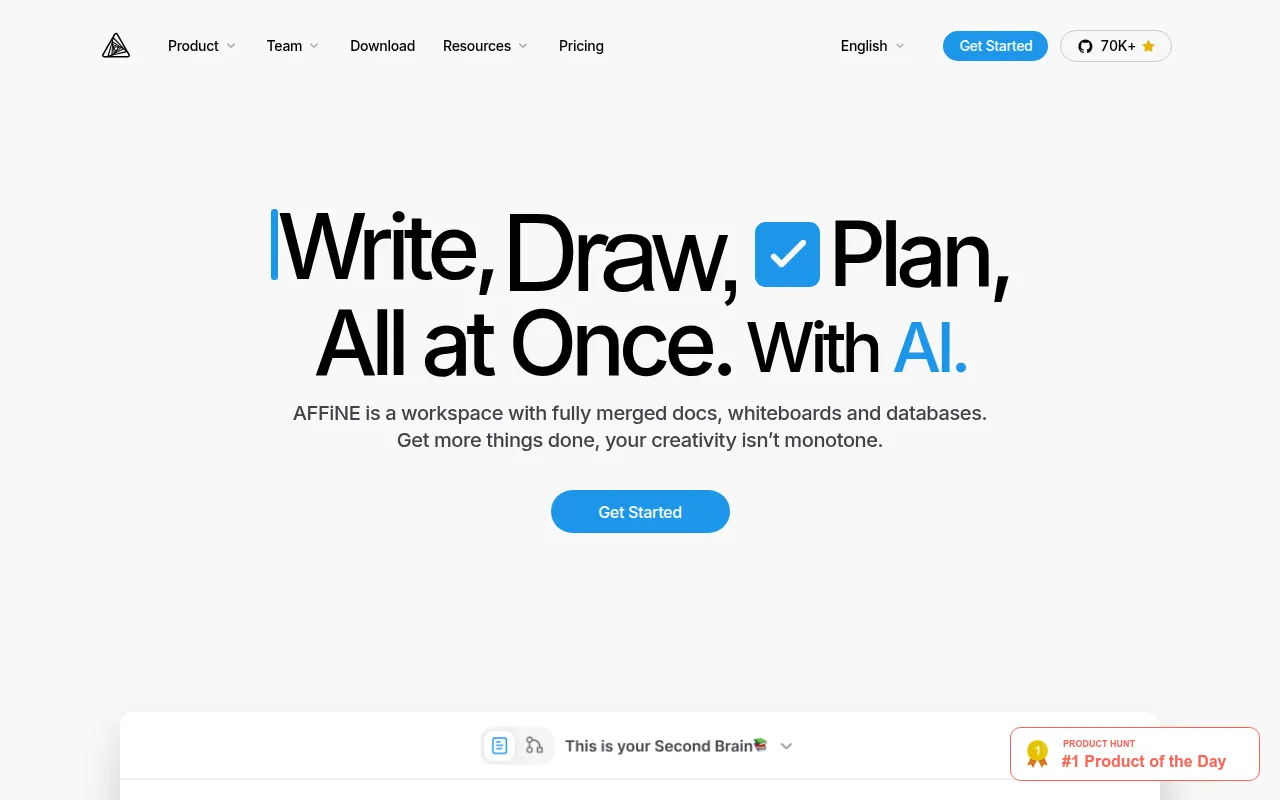
A privacy-focused, local-first, open-source workspace merging documents, an edgeless canvas, and databases, positioned as an alternative to Notion and Miro.
Read more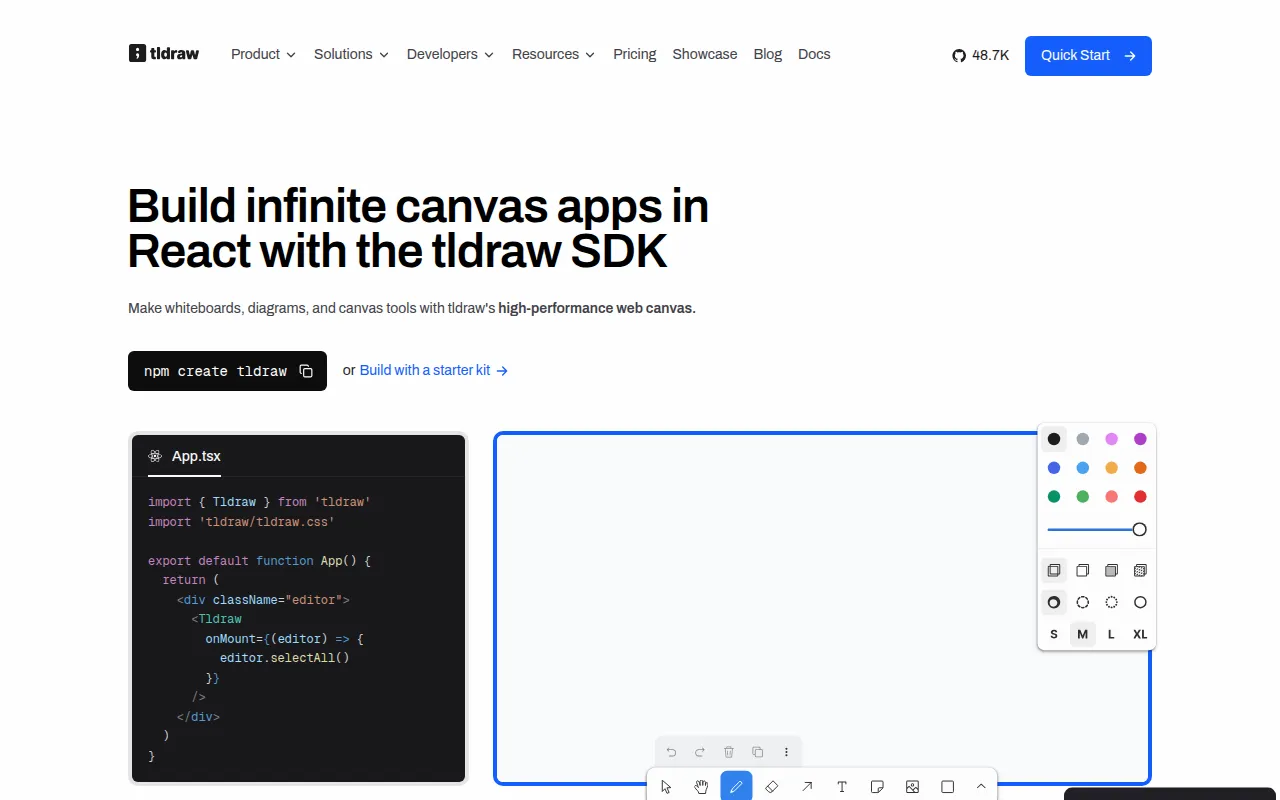
tldraw is a React SDK for building infinite canvas apps, offering drawing, diagramming, and self-hostable multiplayer collaboration primitives.
Read more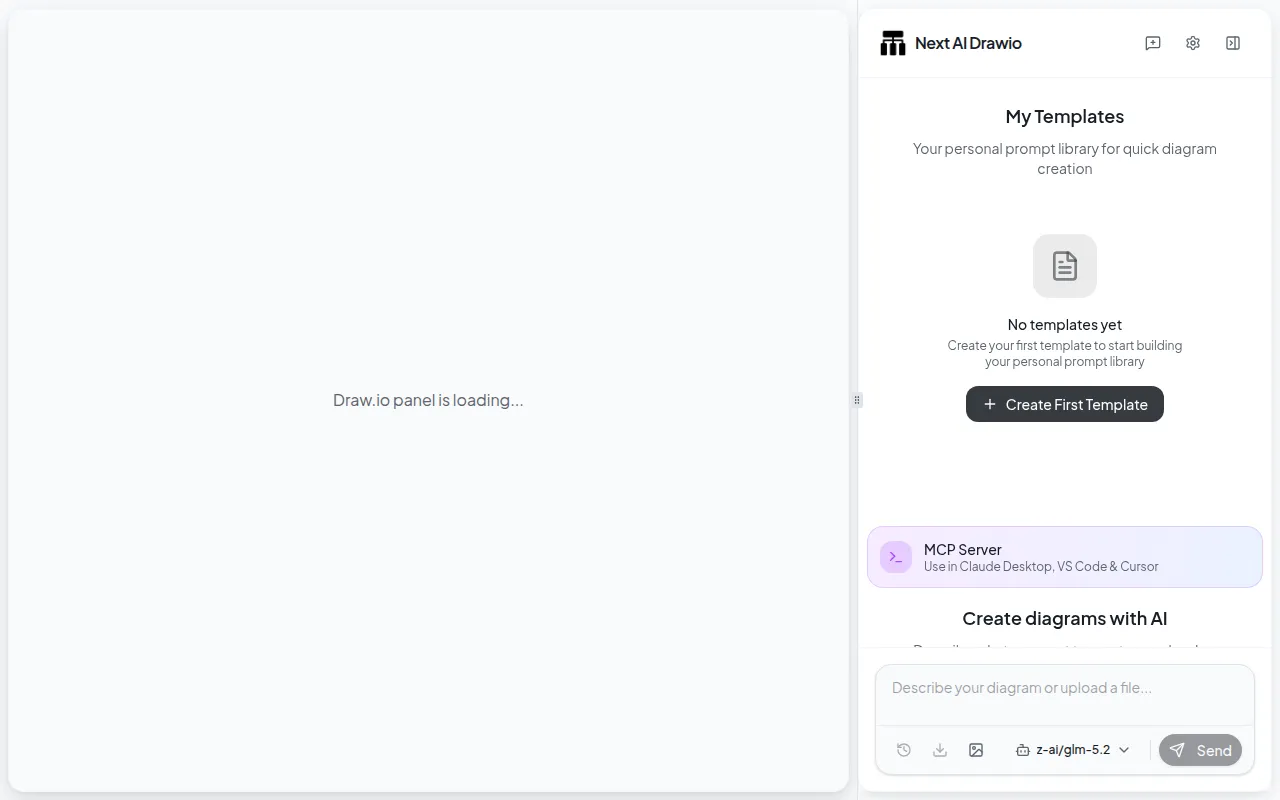
Next.js app that lets you generate and modify draw.io diagrams through AI chat, image upload, or MCP integration.
Read moreMiro is a hosted online whiteboard used for brainstorming, diagramming, retrospectives, and workshop facilitation. Teams use it for sticky-note style collaboration, flowcharts, and templates covering everything from user story mapping to org charts, and its main value is real-time multiplayer editing that works well over video calls.
The push toward open-source alternatives usually comes from cost and control. Miro's pricing scales with the number of seats, which gets expensive for larger teams, especially since occasional whiteboard users still need a paid seat to edit boards. Boards containing sensitive product plans or strategy discussions live on Miro's servers, and exporting a board's full editable structure out of the platform isn't always straightforward, creating a soft form of lock-in around historical work.
Excalidraw is a lightweight open-source whiteboard with a distinctive hand-drawn sketch style, well suited to diagrams and quick collaborative drawing, and it can be self-hosted or embedded into internal tools. AFFiNE takes a broader approach, combining a whiteboard canvas with document and database features in one workspace, aimed at teams that want whiteboarding alongside notes rather than as a standalone tool.
When evaluating alternatives, check real-time collaboration performance with the number of simultaneous editors your team actually uses, since this is where hosted tools with dedicated infrastructure tend to have an edge over self-hosted setups on modest servers. Look at the template library and integrations if your team relies heavily on pre-built workshop formats. Also consider export formats, since being able to get diagrams out as standard image or vector files matters for including them in other documents regardless of which tool you settle on.


 Your brand here — Reach our audience of professional directory owners and boost your sales.