

A fair-code workflow automation platform combining a visual canvas with custom code, 1500+ integrations, and self-hosted or cloud deployment.
Read moreThe best open source alternative to Zapier is n8n. If that doesn't suit you, we've compiled a ranked list of open source Zapier alternatives to help you find a replacement.

A fair-code workflow automation platform combining a visual canvas with custom code, 1500+ integrations, and self-hosted or cloud deployment.
Read more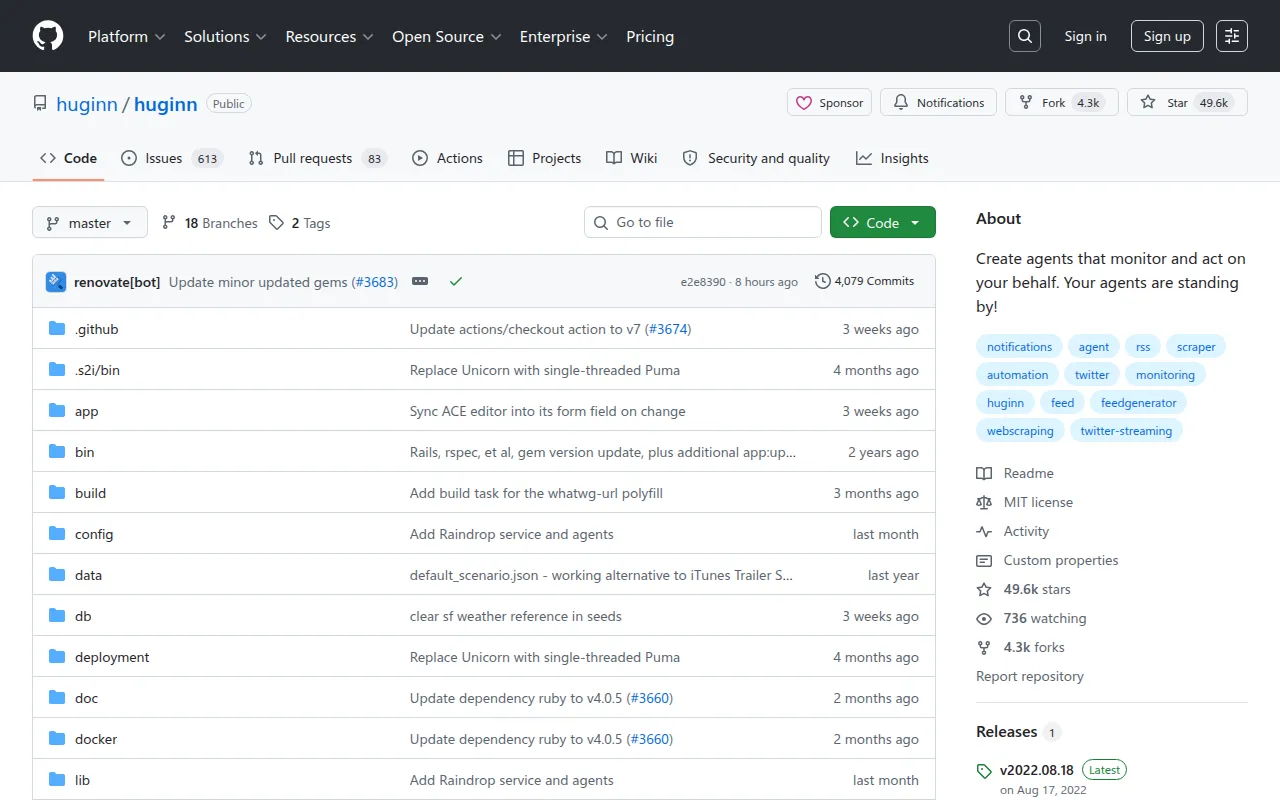
Huginn is a self-hosted Ruby system for building agents that watch feeds, scrape sites, and trigger automated actions on your data.
Read more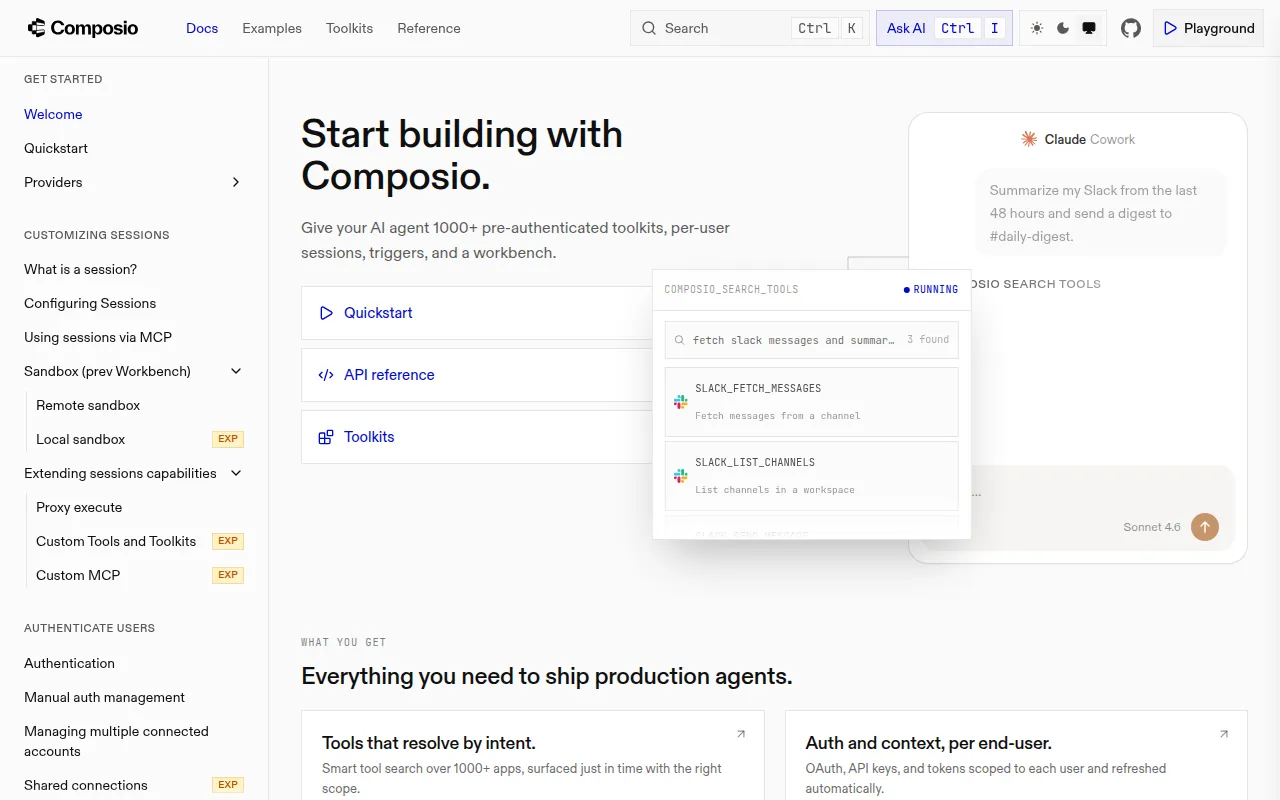
Composio SDK gives AI agents access to 1000+ toolkits with per-user auth, sessions, triggers, and a sandbox for tool execution.
Read more
Open-source automation platform with 280+ integrations, AI-first flows, and pieces usable as MCP servers.
Read more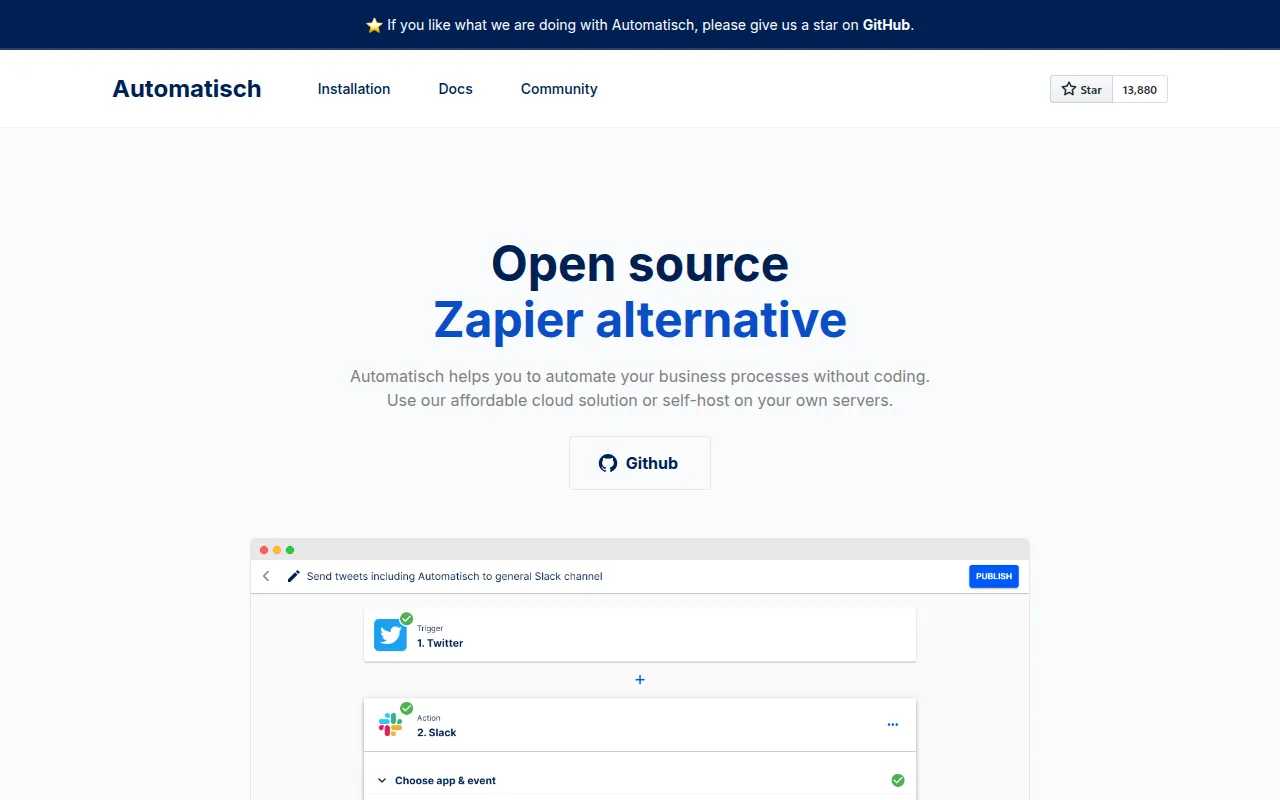
Automatisch is a self-hosted automation tool connecting apps like Slack and Twitter into workflows, without requiring programming knowledge.
Read moreZapier charges by the number of tasks a workflow runs each month, so a busy automation, like one that fires per new order or per incoming lead, can push a team into a much higher tier without adding any new functionality. Self-hosting a workflow tool removes that task-count ceiling: once it runs on your own server, the cost is your infrastructure bill, not a per-execution fee. It also means the credentials for every connected app, email, payment processor, CRM, live only on servers you control.
Open-source automation tools also let you write custom logic where Zapier's no-code builder runs out of flexibility, since you can extend the workflow engine's code directly instead of chaining together workaround steps.
Check how the platform prices its cloud offering versus what changes when self-hosted, since some "open source" automation tools still meter tasks even on your own server. Look at the trigger and action library size, this is the single biggest factor in whether a specific workflow is possible without custom code. If your team is building AI agent workflows, check for native MCP (Model Context Protocol) server support rather than treating AI calls as just another HTTP action. Consider the underlying language and complexity of the codebase if you expect to need custom connectors.
Automatisch positions itself directly as "the open source Zapier alternative," with a simpler Node.js and Vue-based workflow builder aimed at teams that want Zapier's core zap-building experience without the per-task pricing. Activepieces has built out roughly 400 MCP servers for AI agents alongside its no-code workflow pieces, making it the most AI-agent-oriented of the three and a fit for teams automating around LLM tool-calling rather than only app-to-app triggers. Huginn takes the oldest and most developer-centric approach: workflows are defined as JSON-configured "Agents" that watch for events and act on them, giving fine-grained control at the cost of a steeper setup than the other two.


 Your brand here — Reach our audience of professional directory owners and boost your sales.