
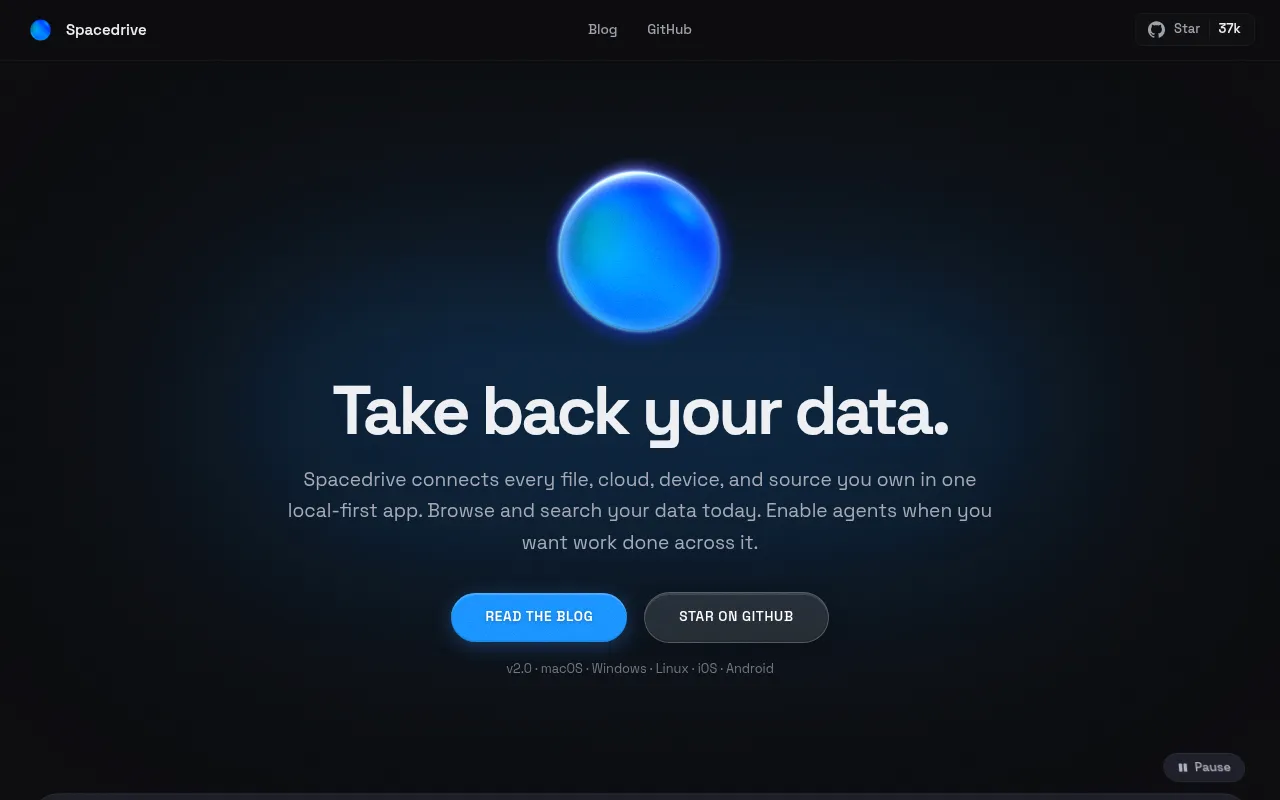
Spacedrive is an open-source Rust/TypeScript file explorer and virtual distributed filesystem for indexing, searching, and managing files across drives, NAS, an
Read moreThe best open source alternative to Dropbox is Spacedrive. If that doesn't suit you, we've compiled a ranked list of open source Dropbox alternatives to help you find a replacement.

Spacedrive is an open-source Rust/TypeScript file explorer and virtual distributed filesystem for indexing, searching, and managing files across drives, NAS, an
Read more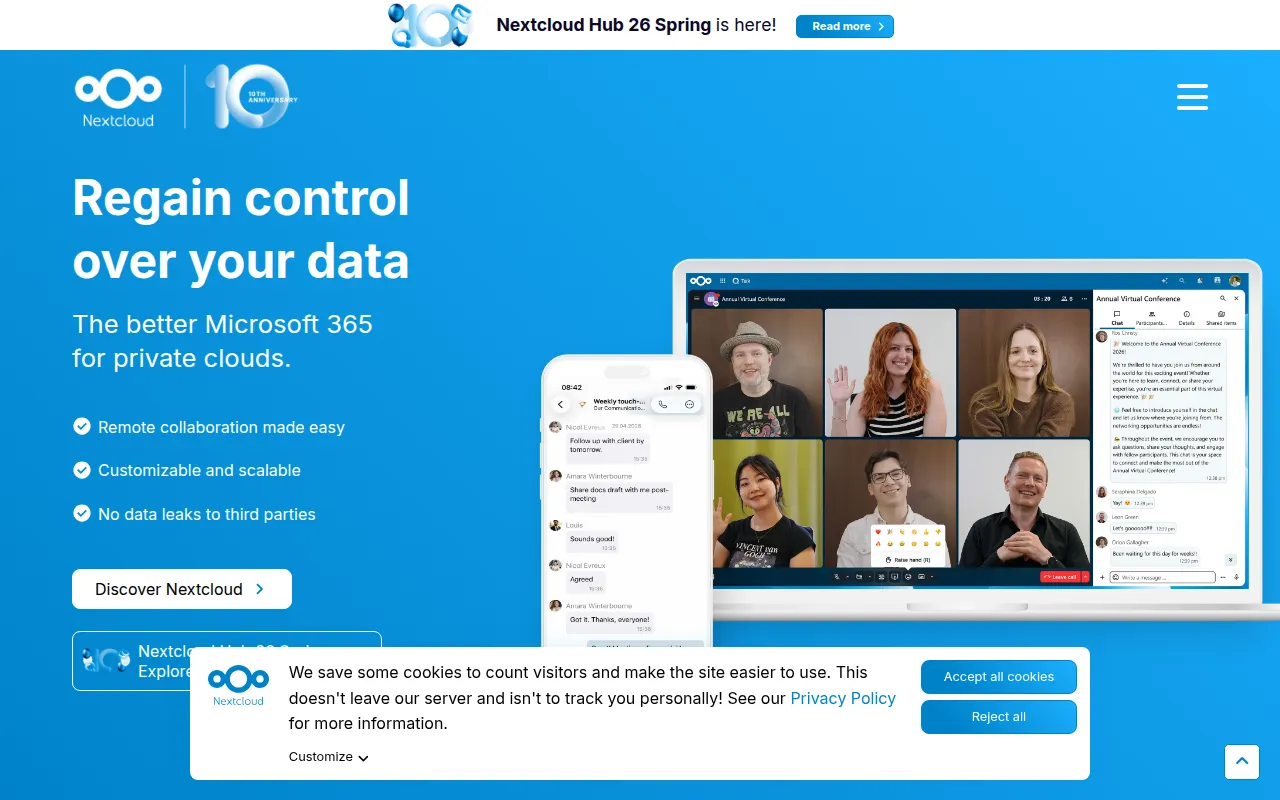
Self-hosted server for storing, syncing, and sharing files, contacts, and calendars, extendable with hundreds of apps from an official app store.
Read more
OpenList is an open-source, AGPL-3.0 Go project that unifies dozens of cloud storage providers into one searchable, previewable web file listing.
Read more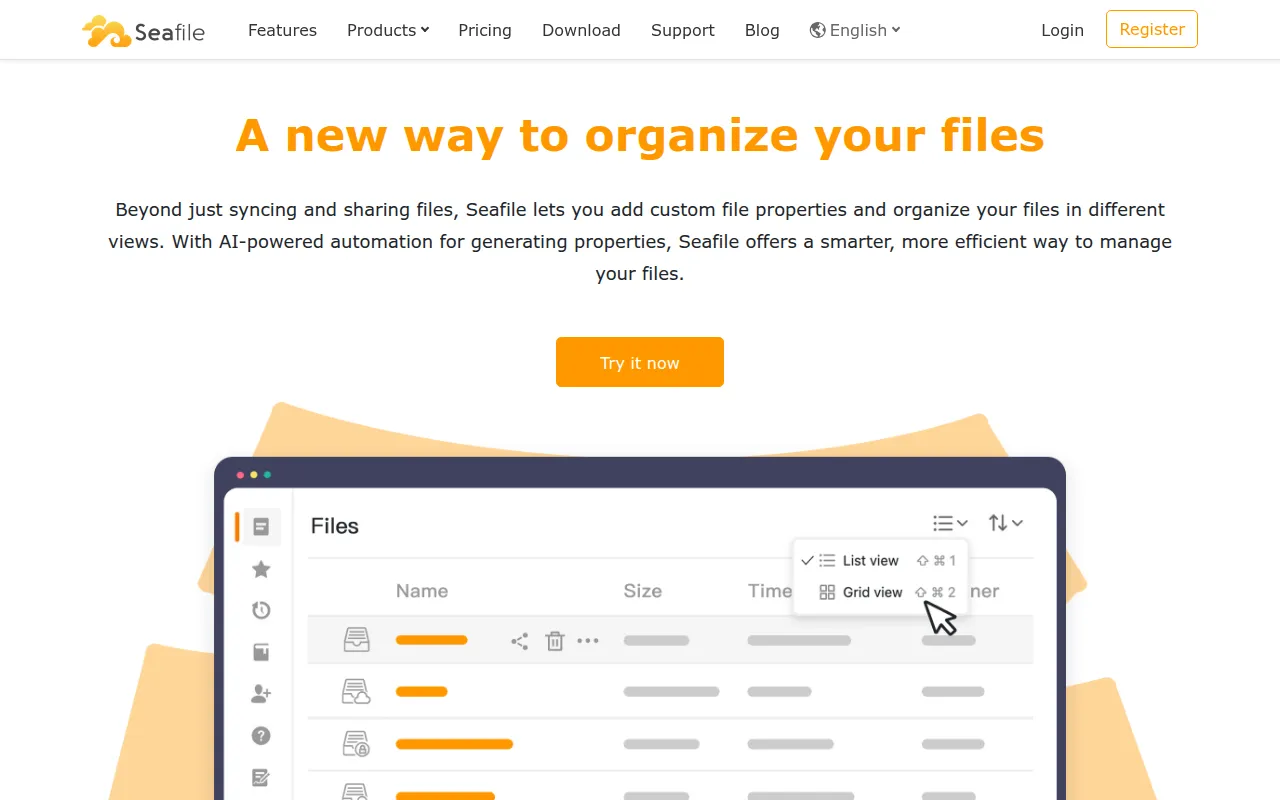
Self-hosted cloud storage and file sync platform with library encryption, versioning, and team sharing.
Read moreDropbox is a file storage and sync service that keeps a copy of your files in the cloud and mirrors changes across every device connected to your account. It is widely used for backup, file sharing via links, and basic collaboration features like commenting and version history on stored files.
People look for open-source alternatives to Dropbox mainly over storage costs at scale and data ownership. Dropbox pricing per user and per terabyte adds up for teams storing large amounts of data, and some users and organizations prefer their files to live on hardware they control rather than a third party's servers, whether for privacy, compliance, or simply wanting full control of their data.
Nextcloud is the most common self-hosted replacement. It provides file sync and sharing similar to Dropbox, along with a broader set of apps for calendars, contacts, and basic office document editing, all running on a server you manage. Because it is open source, the sync protocol and storage format are inspectable, and you can host it on anything from a home NAS to a rented VPS.
Before switching, plan your storage and backup strategy carefully, since a self-hosted server does not have Dropbox's built-in redundancy unless you configure it yourself. Check client support for the platforms your team uses, since Nextcloud's desktop and mobile sync clients work differently from Dropbox's. Also consider bandwidth, since file sync performance depends on your server's upload speed, which is often more limited than what a large cloud provider offers by default.


 Your brand here — Reach our audience of professional directory owners and boost your sales.