5 Best Open Source Okta Alternatives

A curated, ranked list of the best open-source Okta alternatives, compared by GitHub stars, license, and self-hosting options.

The best open source alternative to Okta is Keycloak. If that doesn't suit you, we've compiled a ranked list of open source Okta alternatives to help you find a replacement.

Ege Beşe's profile

Written by Ege Beşe

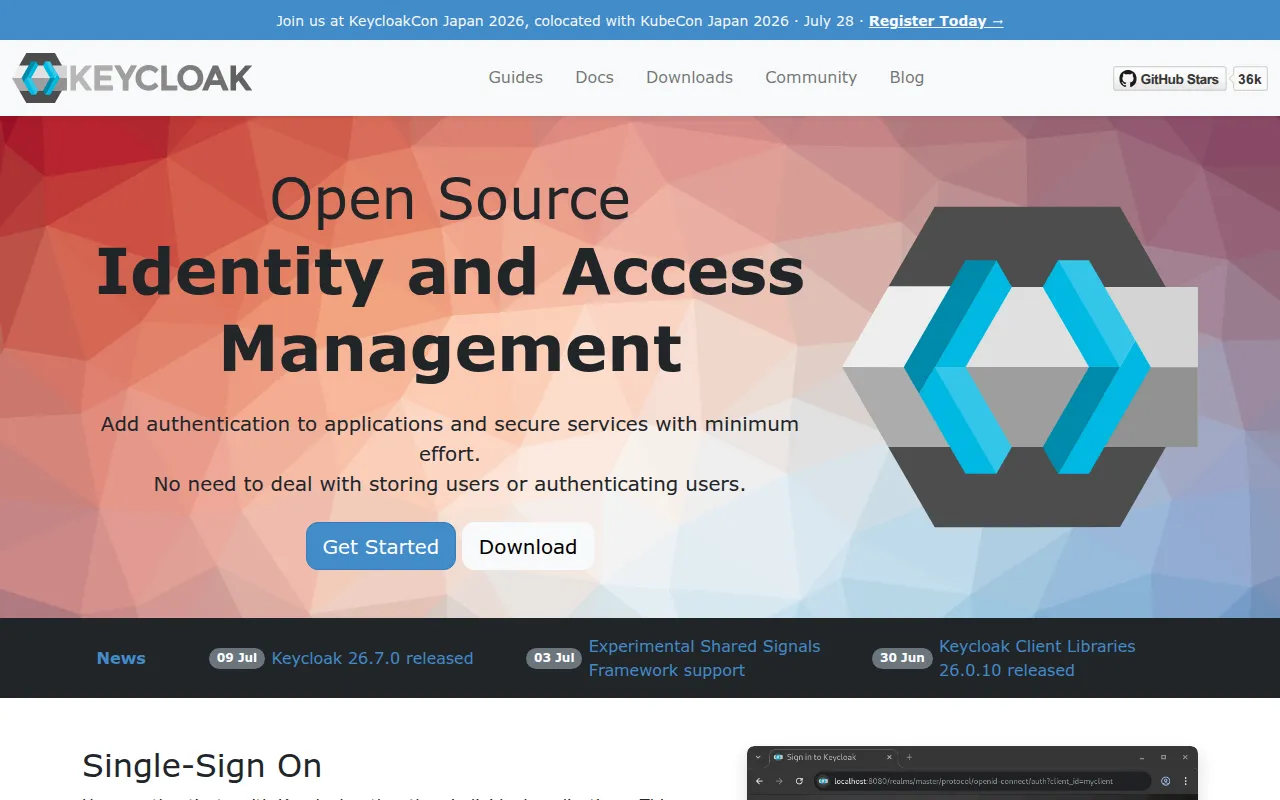
Keycloak screenshot

Keycloak is an open source identity and access management platform with SSO, OIDC, SAML, and user federation.

Read more
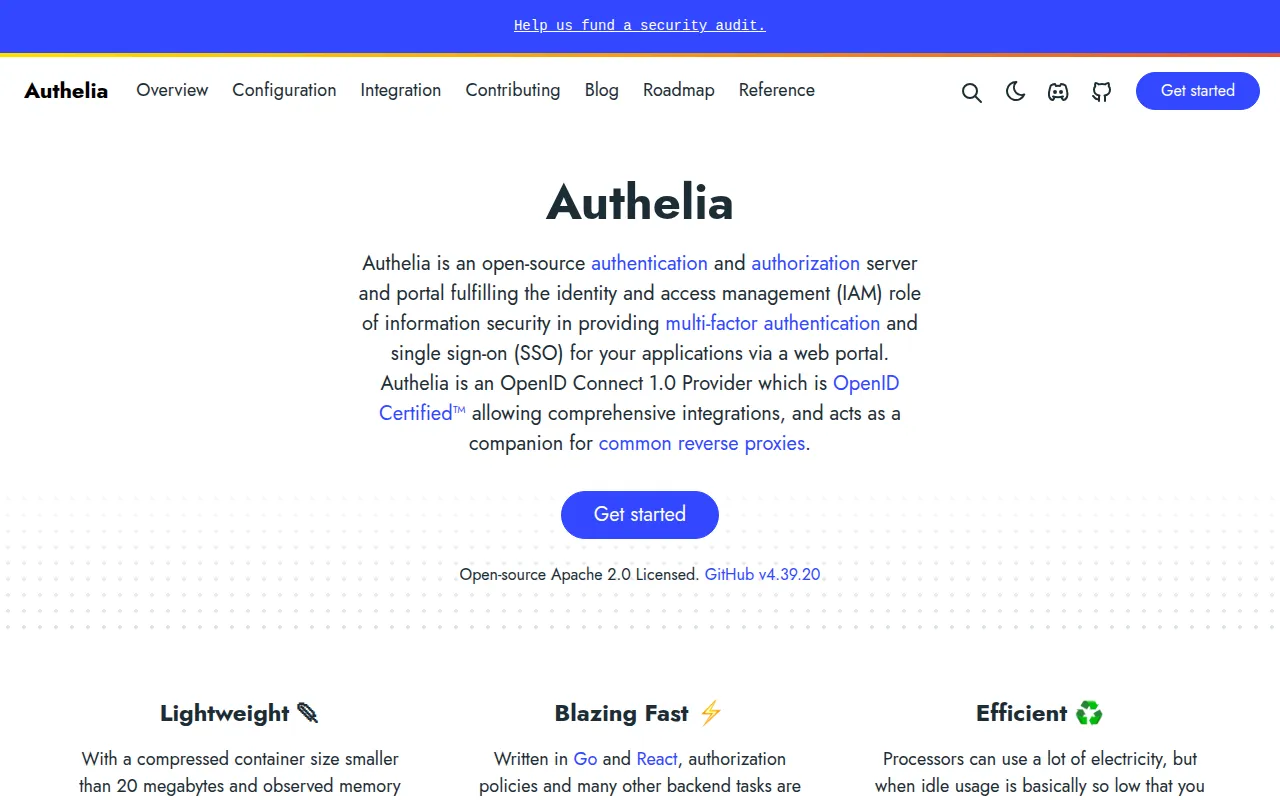
Authelia screenshot

An authentication and authorization server that adds 2FA and SSO to apps behind nginx, Traefik, Caddy, or another reverse proxy via a web portal.

Read more
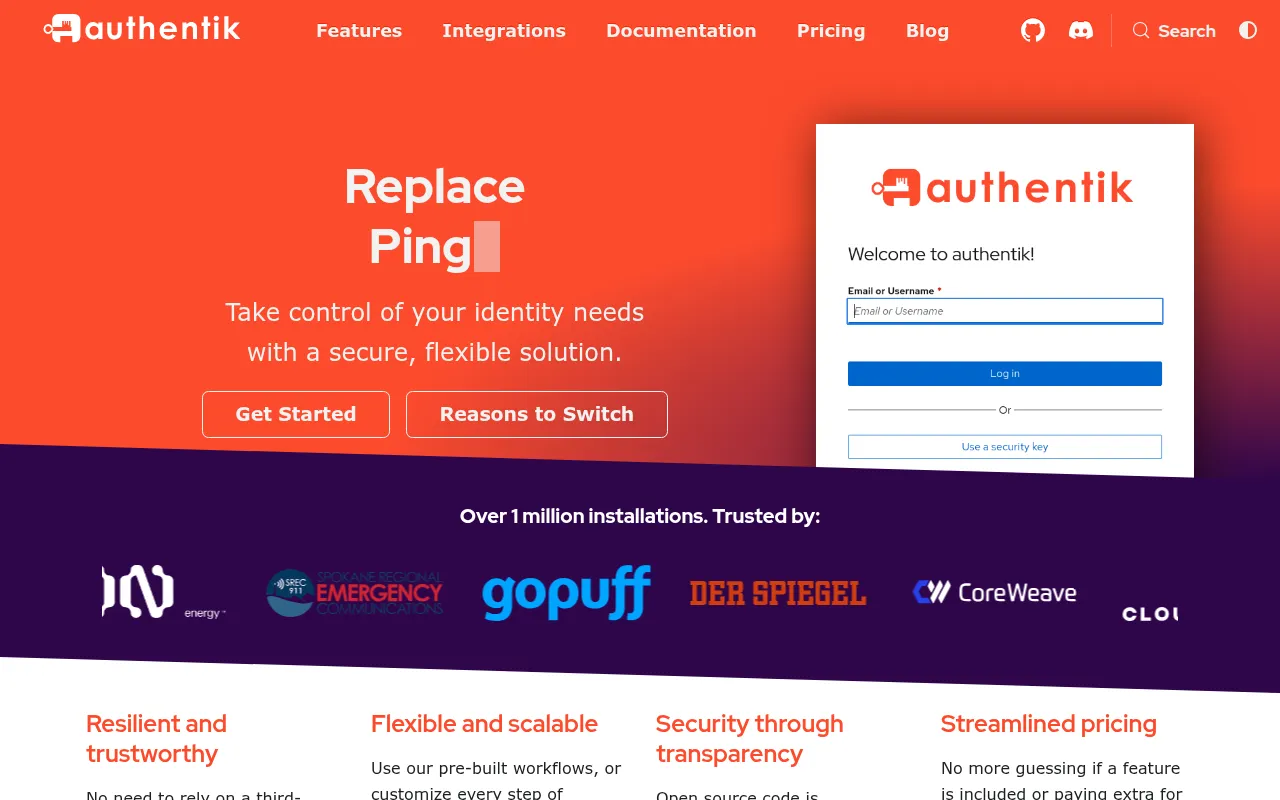
authentik screenshot

authentik is a self-hosted identity provider supporting SAML, OAuth2/OIDC, LDAP, and RADIUS, built as an alternative to Okta, Auth0, and Entra ID.

Read more
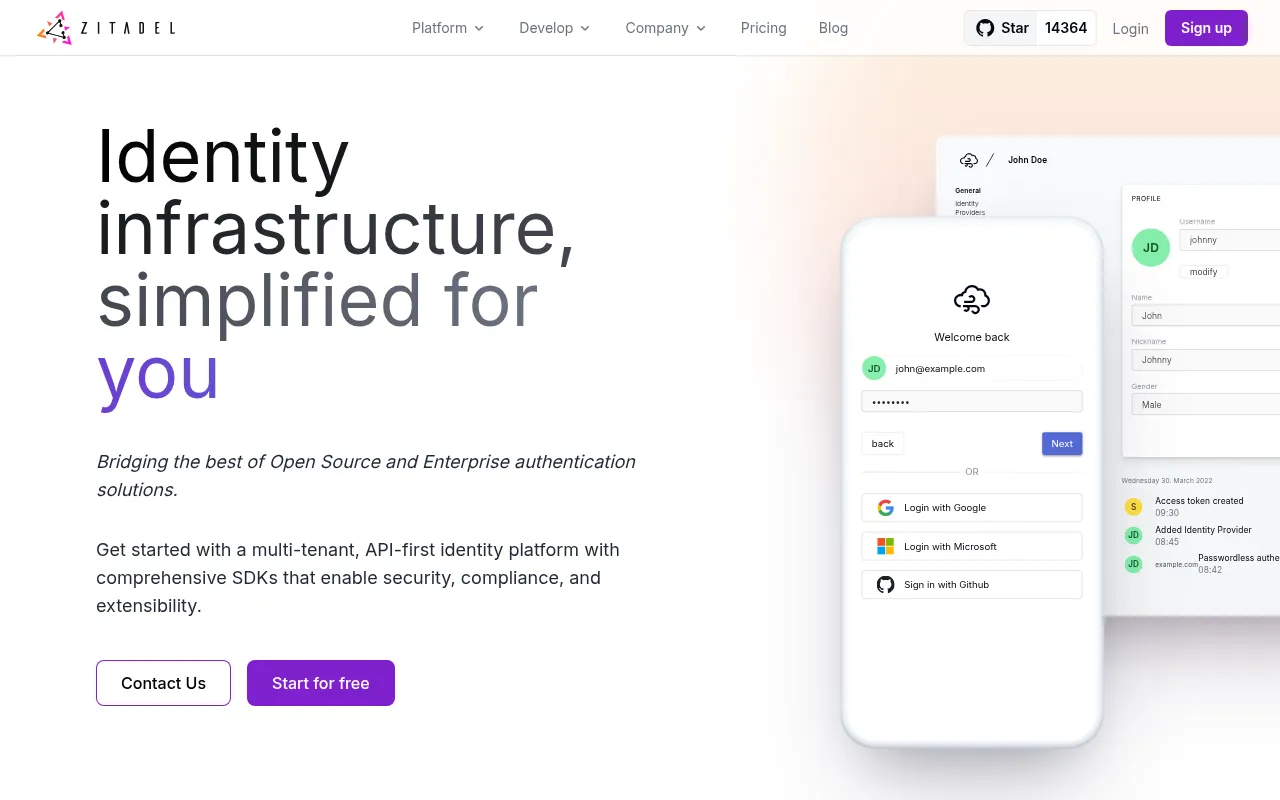
ZITADEL screenshot

ZITADEL is an open source identity and access management platform with SSO, MFA, passkeys, OIDC, SAML, and native multi-tenancy.

Read more
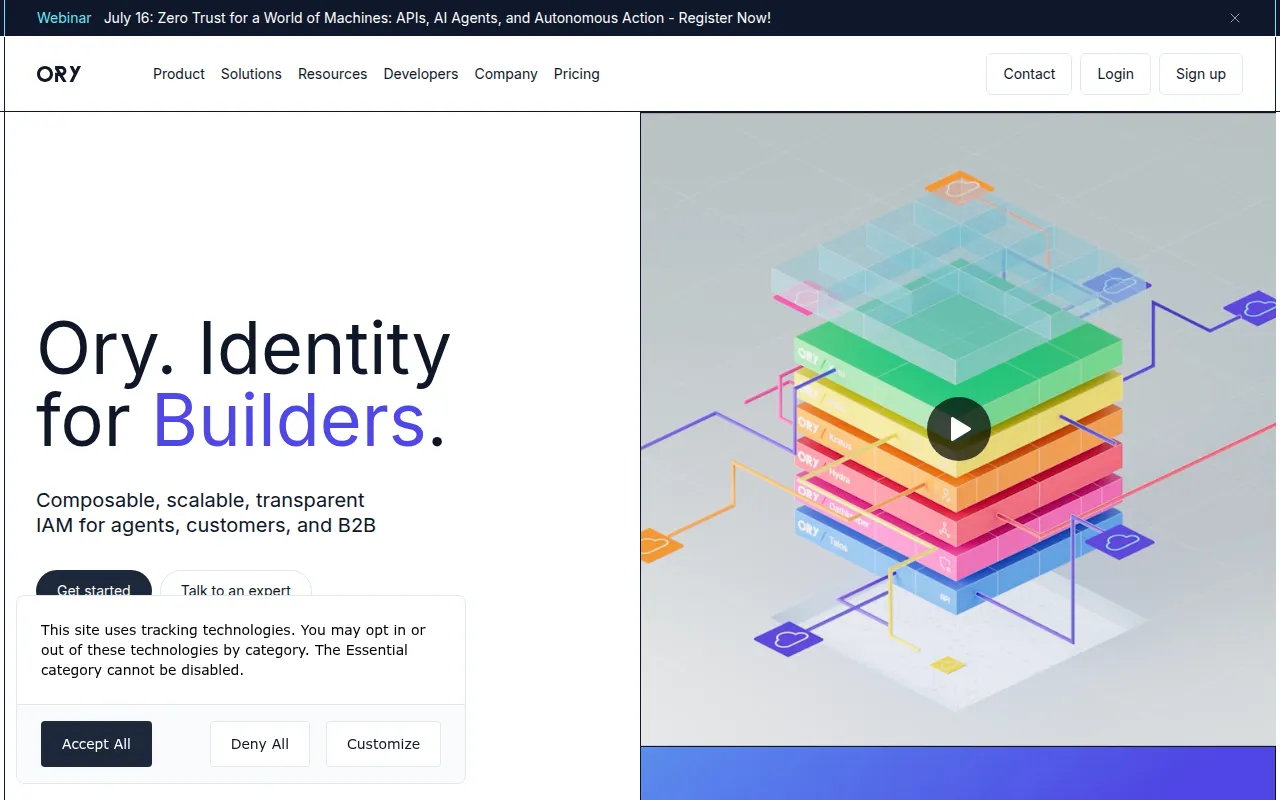
Ory Kratos screenshot

Ory Kratos is an open source, API-first identity and user management system for login, registration, recovery, and MFA.

Read more

Why choose an open-source Okta alternative

Okta centralizes single sign-on and identity management as a hosted SaaS billed per monthly active user, which means the bill grows with every account you create, including free or trial users. An open-source alternative moves that identity layer onto infrastructure you run:

  • Data ownership: user credentials, sessions, and identity data stay on servers you control instead of a third-party SaaS, so a breach or outage at another company never exposes your login data.
  • Self-hosting: deploy inside your own VPC, Docker, or Kubernetes setup to meet data residency requirements common in regulated industries like healthcare or finance.
  • Cost: Okta pricing scales with monthly active users; a self-hosted identity provider has a flat infrastructure cost regardless of how many accounts you create.
  • Customization: extend login flows, add custom protocols, or theme the login UI directly in the codebase instead of working within a vendor's configuration limits.
  • Avoiding lock-in: standard protocols like OIDC, SAML, and LDAP keep your integrations portable, so switching identity providers later does not mean rebuilding every connected application.

What to look for

Compare protocol support (OIDC, SAML, LDAP, SCIM), available MFA methods (TOTP, WebAuthn/passkeys, SMS), admin console usability for the team that will manage user accounts day to day, the runtime the project is built on since that affects resource footprint and hosting cost, which social login providers are supported out of the box, and evidence of production use at the scale you actually need rather than marketing claims alone.

How the top Okta alternatives compare

  • Keycloak is a Java application backed by Red Hat, supporting OIDC, SAML, and LDAP through a mature admin console, and is the most widely deployed enterprise-grade option in this group, with a large plugin ecosystem built up over more than a decade.
  • Authentik runs on a Python and Go stack with a flow-based visual editor for building custom authentication flows, positioned as a flexible SSO and proxy layer that can sit in front of existing applications without code changes.
  • Zitadel is written in Go and built for cloud-native, multi-tenant deployments, aimed at simplifying identity infrastructure setup for teams building a SaaS product that needs per-customer tenant isolation.
  • Ory Kratos is headless, meaning it exposes an API with no built-in login UI, and is designed to scale to very large user bases with passkeys, magic links, SMS, and TOTP support, leaving the frontend entirely up to you.

Frequently asked questions

Favicon of Okta

Okta

Open-source Okta alternatives handle single sign-on, MFA, and identity management on infrastructure you host and control yourself.
Visit Okta
Suggest an alternative

Share: