
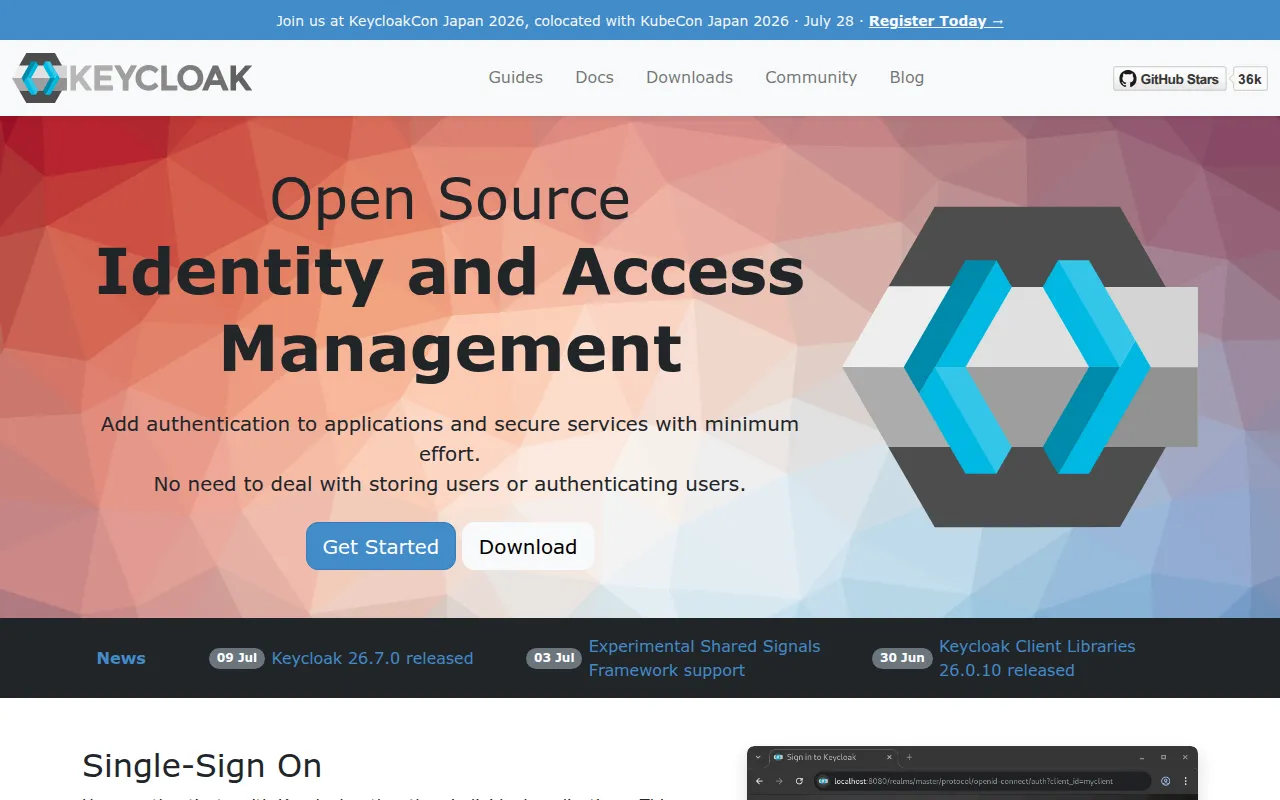
Keycloak is an open source identity and access management platform with SSO, OIDC, SAML, and user federation.
Read moreThe best open source alternative to Auth0 is Keycloak. If that doesn't suit you, we've compiled a ranked list of open source Auth0 alternatives to help you find a replacement.

Keycloak is an open source identity and access management platform with SSO, OIDC, SAML, and user federation.
Read more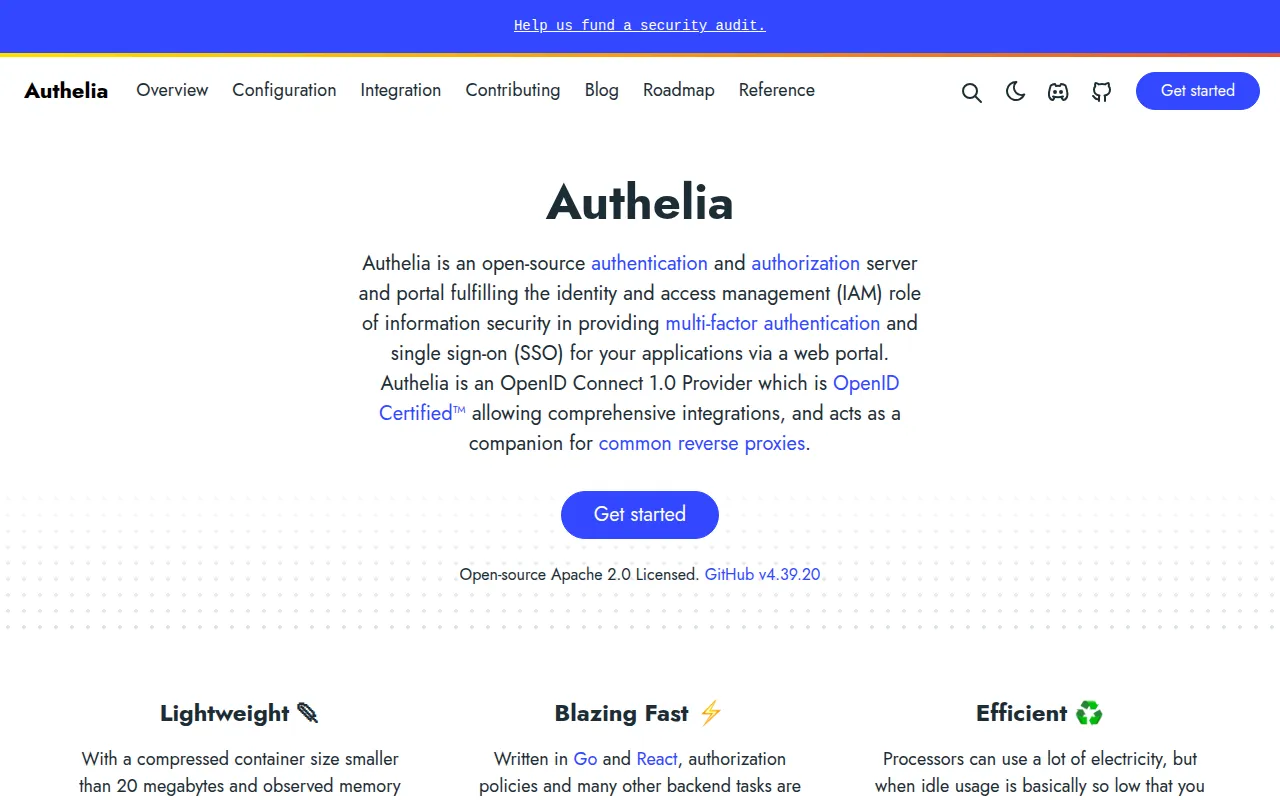
An authentication and authorization server that adds 2FA and SSO to apps behind nginx, Traefik, Caddy, or another reverse proxy via a web portal.
Read more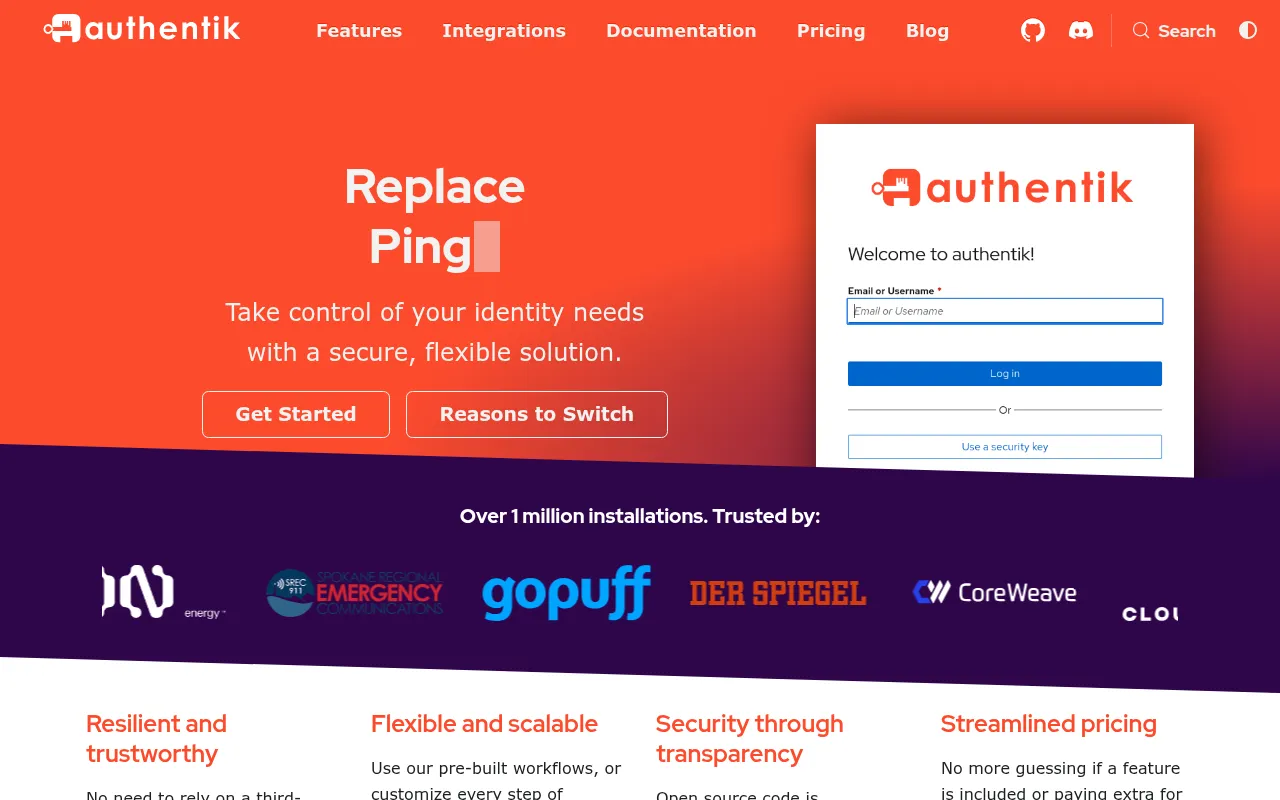
authentik is a self-hosted identity provider supporting SAML, OAuth2/OIDC, LDAP, and RADIUS, built as an alternative to Okta, Auth0, and Entra ID.
Read more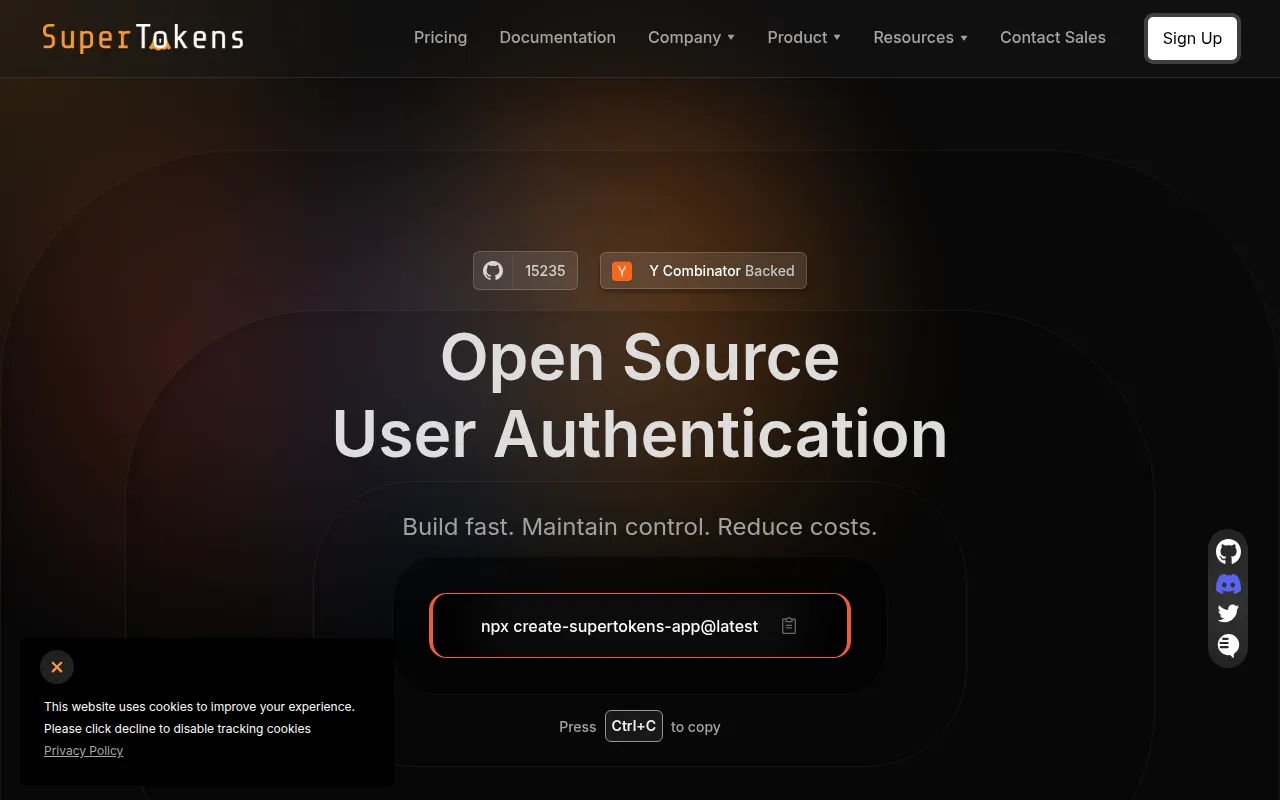
SuperTokens is an open source, self-hosted alternative to Auth0 and Firebase Auth with SDKs for major frameworks.
Read more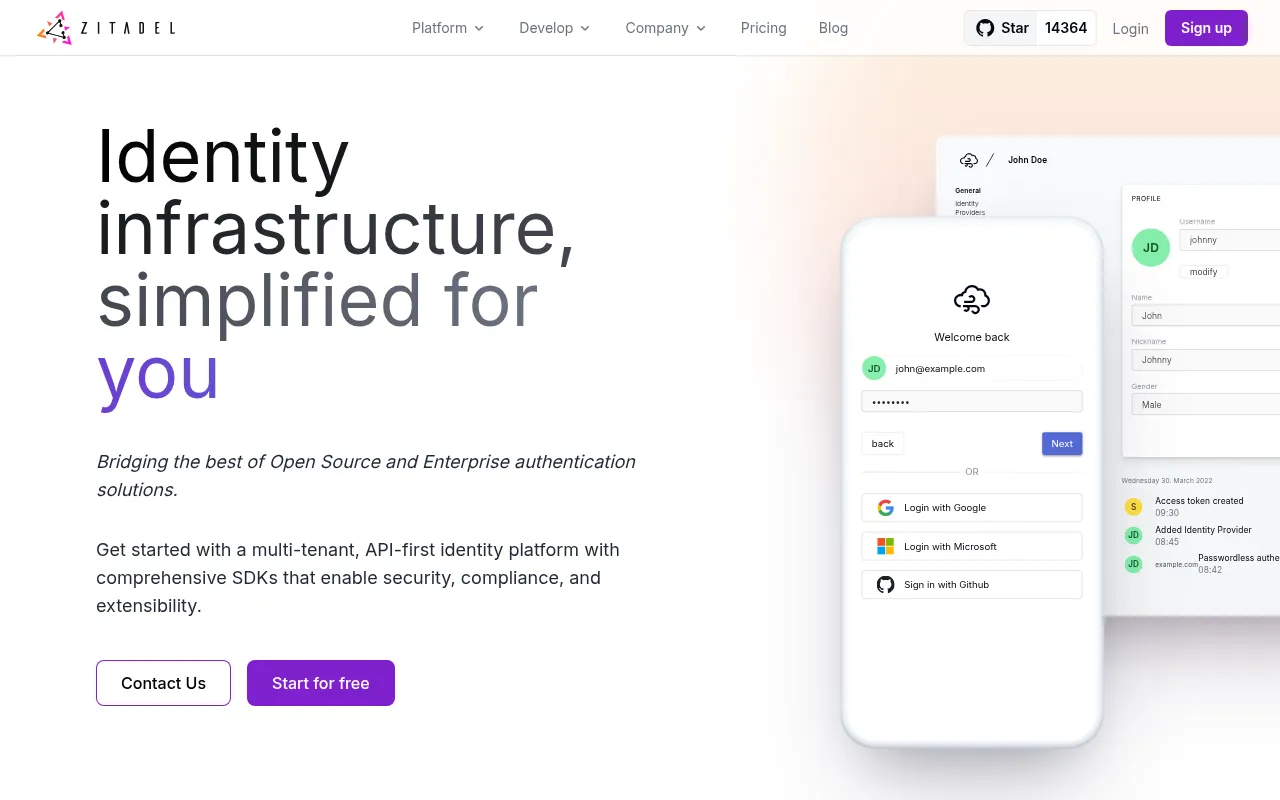
ZITADEL is an open source identity and access management platform with SSO, MFA, passkeys, OIDC, SAML, and native multi-tenancy.
Read more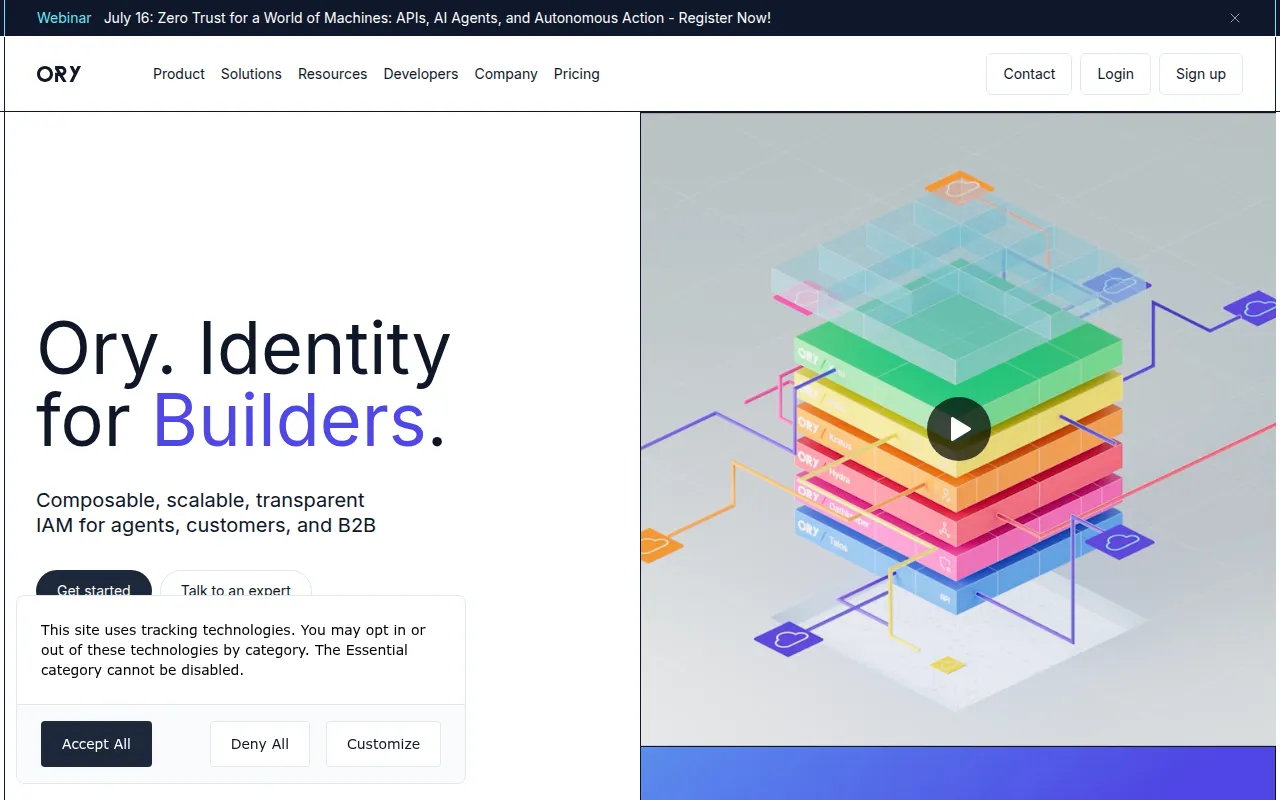
Ory Kratos is an open source, API-first identity and user management system for login, registration, recovery, and MFA.
Read moreAuth0 bills by monthly active users, and that number climbs fast for any consumer-facing product, turning a small app into a real line item long before it turns a profit. Self-hosting removes that per-user meter entirely; cost becomes a function of server capacity instead of signups.
Identity data, user records, sessions, MFA secrets, password hashes, is some of the most sensitive data an application holds. Running your own identity provider keeps that data inside your own database rather than a third party's cloud, which simplifies GDPR and HIPAA compliance and removes a vendor from your threat model.
Self-hosting also opens up customization that a managed service restricts: unusual protocols, custom login flows, or deployment inside an air-gapped or on-prem network. And because Auth0's user store, organizations, and rules live in a proprietary format, migrating away later is expensive. Standing on open protocols like OIDC and SAML from the start keeps a future migration cheap.
Check protocol coverage first: OIDC, SAML, OAuth2, and passkey/WebAuthn support vary between projects. Decide whether you need a full admin UI and user-management console, or whether an API-first, headless identity layer fits your stack better. If you are building a B2B product, confirm multi-tenancy is a first-class concept rather than bolted on. Look at the deployment model too: some of these ship as a single Docker container, others need Postgres, Redis, and background workers running together. Finally, weigh the language and framework the project is built in against your team's ability to extend or patch it.
Keycloak, maintained by Red Hat and built on the JVM, has the broadest feature set of the group: isolated tenant spaces, identity federation, and fine-grained authorization, at the cost of a heavier operational footprint.
Authentik, written in Python, centers on a configurable policy and flow engine, which makes it popular for both homelab setups and mid-sized company deployments that need flexibility without Keycloak's full complexity.
SuperTokens is built specifically as a swap-in for Auth0, Firebase Auth, and AWS Cognito, and ships SDKs for a wide range of frontend frameworks with a smaller runtime footprint than Keycloak.
Zitadel, written in Go, targets cloud-native deployments with gRPC and REST APIs and strong multi-tenancy, aimed at B2B SaaS teams managing many customer organizations.
Ory Kratos is headless by design: it ships no bundled login UI at all, and documents scaling to a billion or more users, so teams build their own front-end screens on top of its API.


 Your brand here — Reach our audience of professional directory owners and boost your sales.